3 Elements of Buying a Tripod

By Jason

More often than not, blur in photos is a result of movement in the camera.  This means that you are likely shooting with your shutter speed set to open and close more slowly than you can hold it in place to freeze the image in place.  So, it may make sense to think that all you have to do is increase the shutter speed to one where you can hold it long enough, right?  Well, maybe, but there are many scenarios where that option may not be available.

Shooting in low light is often a time when we find ourselves compromising our sharpness by trying to hold our camera slower than what we are capable of in order to capture an image.  Another example would be where you want to smooth the water of an ocean view, a waterfall, or some other water scene.  You may also want to introduce blur in one area of an image (say a race car), while keeping everything else sharp to convey the sense of speed and motion.  In these scenarios, you can do one of a several things to increase the stability of your camera.  One of the most popular is:

Add a monopod or tripod to the equation. 

The reason why the tripod route is popular is because it is also one of the best ways to stabilize a camera, because let’s face it… a stationary object is better at holding our camera steady than we ever will.  If you can’t use a tripod though, monopods are excellent secondary devices at minimizing the movement that may happen when shooting at slow shutter speeds.  Choosing a tripod is a matter of personal preference and there are many things that can tie into your decision including budget, weight, and portability. Let’s consider each of these independently.

Budget

When it comes to budget, a tripod can be as cheap as $20, and can run upwards of $2000! Factors that will come into play include the weight element – carbon fiber is very sturdy, and very lightweight, but very expensive too.  Aluminum counterparts are heavier, and while equally sturdy, you can save money by going with an aluminum equivalent.
Weight

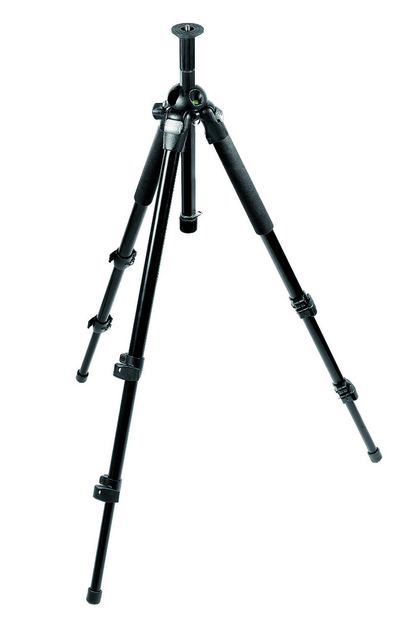
As just mentioned, weight can have both upsides and downsides.  If you are a landscape shooter, lightweight tripods can easily be blown over by even a slight breeze.  You can ensure stability by going with a heavier tripod, or by weighing it down (some folks use sandbags, camera bags, or other gear to help stabilize a tripod even further), but nothing is 100%.  As you get heavier weights, it also can be a detractor, because now that’s additional weight that you have to carry with you (or maybe it’s your photo assistant, but someone is carrying it!)
3. Size:

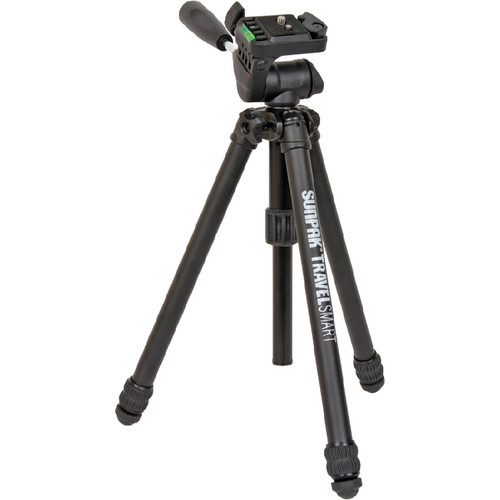
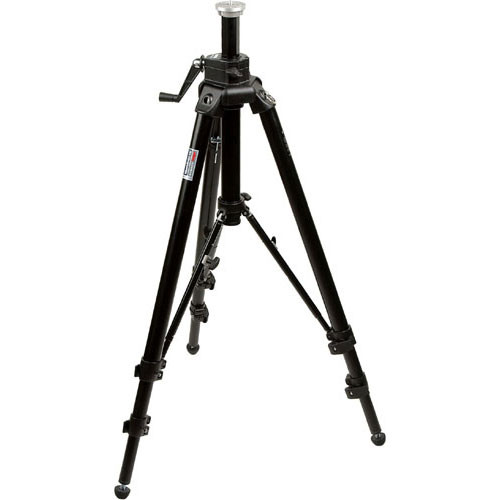
Another factor that comes into play is size.  If you want something small and lightweight, then a tripod that has only 3 collapsing legs might not fit with an on-the-go lifestyle.  You can opt for something smaller and more compact, but stability will be compromised.  For instance, take a look at the popular Gorilla-pods  (I own one and love it).  These are super small, the legs can wrap around anything, but they are not the most stable tripod in the world.  The legs can be contorted, but it also means that striking that perfect balance can be trickier.
Size

It’s all about trade-offs when you go to choose a tripod.  Invariably, people will consider budget first and foremost in their decision (I know I did)… for which tripod to purchase, but I can tell you from experience, that you will quickly migrate from the $20 Wal-Mart one to a $100 one from elsewhere, and ultimately upgrade to a $300-$500 one from one of the big guns out there (i.e. Bogen, Gitzo, Vanguard, etc.).  My one recommendation would be to just go in to the more expensive class first, because you will save yourself a lot of frustration and money in the end.  Ultimately, your photos will be sharper and you’ll get much more gratifiying results because you got the right tool for the job – a tripod!
Pet Photography 101

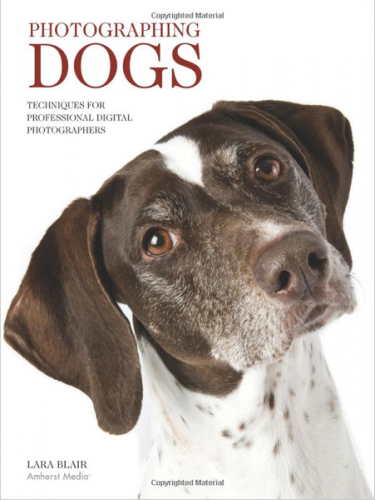
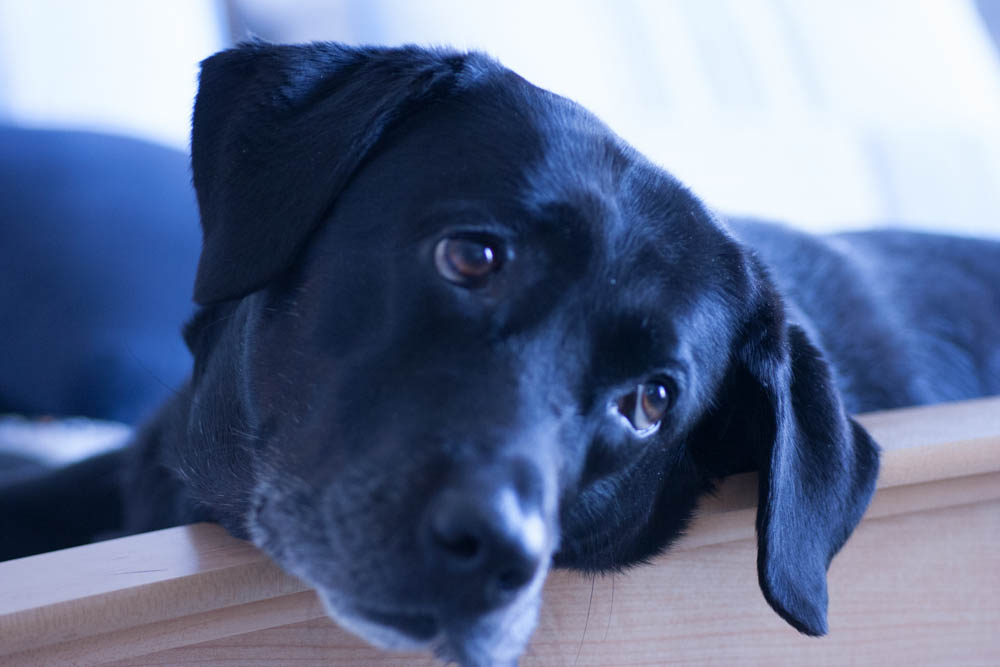
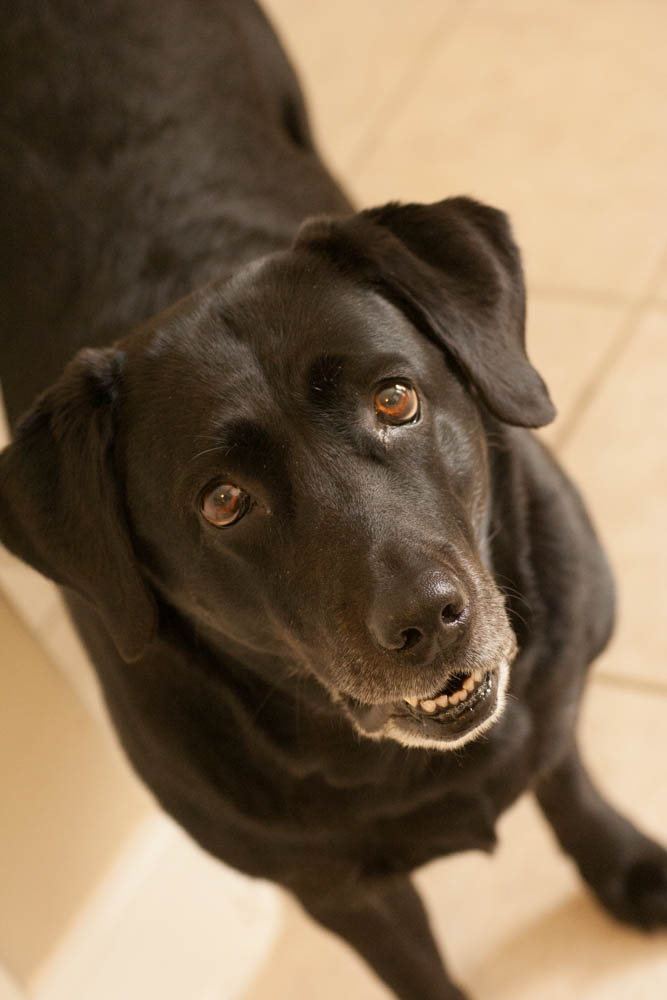
Photographers tend to photograph that which is closest to them more often than anything else.  For me, that means photographing my dog.  My dog is such a good dog too.  She sits when I ask her to sit, stays when I tell her to stay, shake, and all the rest.  But I’ve not had the best of success in taking pictures of her.  Every once in a while, I got lucky in a shot or two, but something was missing.  After reading Lara Blair’s book from Amherst Media: Photographing Dogs: Techniques for Professional Digital Photographers, I sort of head-smacked myself and said “Well, where was this book five years ago?!”

She offers insights in her book that only an experienced pro can really give you.  For instance, as much as I love my dog and her trotting to me – I can’t tell you how often I’ve let her barge into me and my camera, thus resulting in my sending gear in for repairs from scratches, nicks, and re-alignments.  One would think I’d learn from mistakes, but until Lara said:

“I hold mine high above my head when a dog is running at me”

I just kept on missing the obvious!  Now I know better…just in time for my beloved pet to be the most docile and non-running pet in the world (sad to say, she is in her twilight years…every day I have left with her is precious!). Other great insights include shooting dogs from a lower angle (it makes them look larger than life, which is what owners want), anticipating session behavior (timid and aggressive dogs), and yes, handling the inevitable messiness to clean up from your studio!

Not only are her insights valuable, but her sample portfolio she includes to demonstrate various techniques, as well as insights on how and where to market yourself as a dog/pet photographer make this book an ideal resource for both the photographer turning to pet portraiture, as well as principles for setting up a pet-friendly studio.  If you’re looking to make an entry or transition into pet photography, this is definitely one to include.  My one nit for this book is that a substantial portion of the book is devoted to the business side.  Lara talks a lot about branding, what outlets to visit, setting up your business, and other aspects of a pet studio.  While these are very useful insights, these aren’t really specific to pet photography techniques.  The technique portion is really only about 1/3rd of the book.

Don’t get me wrong though – it’s a great read, and very easy to get through.  Often how-to books like this get either too wordy, or do not really have enough substance to them.  Lara provides both, but does have a good portion that is tangential to the main topic. It’s all good content though, so it’s a very minor nit.

Just in time for Spring, so check it out at Amazon, or where ever you buy books get your own copy today:

Service Equals Quality

Remember the axiom that on the web, content is king?  While we all need to be cognizant of this, when your business is based on providing something – whether it be a product or a service, you simply must be pleasing your customers as well. That axoim has held true here on the blog too.  Time and time again, people have told me not to worry about how often I publish posts, but rather to make sure that when I do post – the article provides good quality. 

You don’t want to view lame photos and read articles that don’t have a lot of thought put into them.  So, when I get busy at work, or am otherwise unable to give this site the attention it needs, readership tends to understand that while I may be gone periodically – I always come back, and it’s almost always good content.

Today, I’d like to share two stores:

Story # 1 – Basil’s Italian Restaurant in Corbin, KY

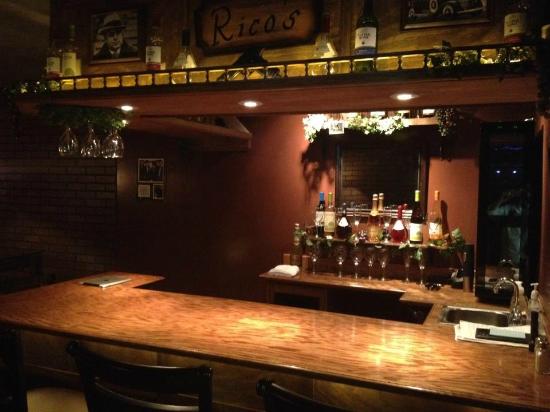
Basil’s
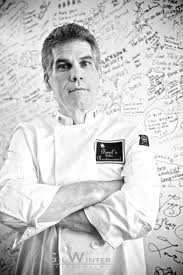
Chef Richard of Basil’s

Our first story is the result of a recent training trip to that neck of the woods.  The clients I was training asked where I’ve been staying and where I’ve been eating.  When I first started this gig, I was hesitant to share that info – until I realized that they were politely suggesting that they had good ideas for where to eat and visit.  I started tuning in and have been getting recommendations across the country. Sometimes, in fact, I’ve attended a restaurant blindly.

This night was no exception.  I arrived at the place at 7:20, palette readily salivating for some good pasta.  I go in and the place, while nice, appears deserted.  I must admit I was disappointed because it came so highly recommended.  The place is a one-man shop, and he prides himself on his food from what they say.  The next thing I know this “one guy” – Chef Richard – comes out and apologizes but says they are closed.

I acknowledge my oversight at not arriving sooner or checking their hours (they close at 7 because it’s in a residential neighborhood).  I start to head out when he rattles off a few items (7 total) that he could whip up quick for me if interested.  I don’t want to be a bother because this guy must be tired after a long day.  We exchange a little dialogue, and the next thing I know, he is pulling me into the restaurant because he WANTS me to try their lasagne.

Only after being repeatedly assured that it’s not a problem, I take a seat in the otherwise almost empty place (there were a few people lingering at the bar).  I order a merlot, and nosh on some garlic bread until the lasagne arrives.  Oh.  My. God.  My mouth had died and gone to heaven!  You know that taste of Italian – when it’s good but almost instantly when the acidic nature of the tomatoes hits your throat?  It burns a little, right?  This had the taste without the acid.  It was amazing!

On top of that, Chef Richard and I ended up hugging briefly as I left 90 minutes later.  I felt like I had made a true new friend.  He genuinely wanted me to experience a wonderful and delicious meal, which I did!

The place was obviously closed, yet they went out of their way to provide both wonderful good food and stupendous service.  And one man basically did it all!

*****

Story #2 – The Pink Slip, hotel restaurant in Nashville, TN

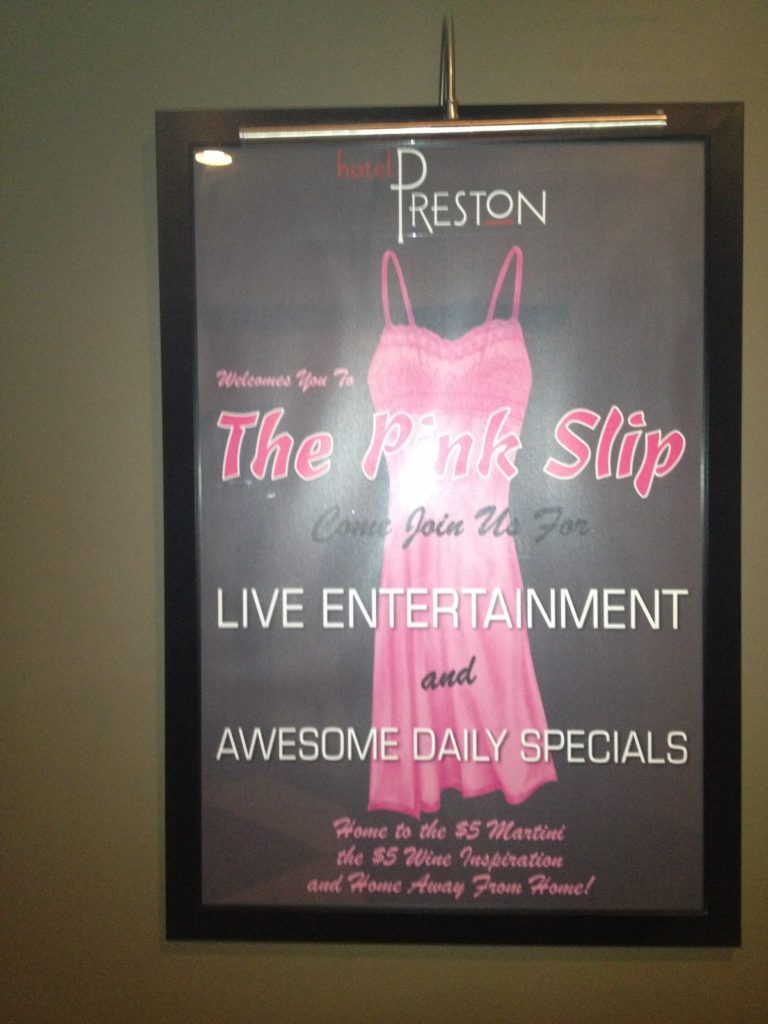
The Pink Slip
The Pink Slip

Our second story was at the Pink Slip in the well-esteemed Hotel Preston in Nashville.  I hear from the shuttle driver that their in house restaurant is available, so I decide to try it.  The velvet walls, female lounge lizard singer and guitarist try to evoke “jazz” but really only brings to mind “porn”.  Yet it’s been mentioned, so I ask for a menu… The bar-maid (ironically, named “Bar”bara), takes a beer or something out to another table, gets another pair of gals a drink and a menu, then finally comes back to me 5 minutes later with a menu.  I hear her rattle off some off-menu items to the gals and make a mental note to ask about the burger.  Another 5 minutes go by and she finally gets back to me.  Yeah, I can get the burger.

Do I want a beer?  Fat Tire draft please – been a long week.  A cursory nod, a beer is drawn and brought over.  She tunes into Modern Family on the TV (a repeat by the way) as it starts up.  Meanwhile the over-amped lounge lizard belts out some 90′s Madonna tunage.  Oddly, (during a commercial) she asks if I am ready – uh, yeah, I ordered the burger?  She nods and goes back to put the order in that I’d requested about ten minutes ago.  I sip the brew, and about half way through, while sipping and reviewing email, ask for a glass of water, figuring the food is just about ready.

The water empties, and the beer disappears.  Finally, the food comes, and while it’s not great, it’s not inedible.  I scarf it down because the atmosphere is starting to give me a headache. Within 10 minutes I am done, and wait to get a check.  Modern Family is almost over though, so I wait some more – I don’t want to interrupt, but will definitely make a note if she looks over.  Finally, she looks over and I quickly ask for the receipt.  She walks over and asks if I want some dessert – no thanks just a check please.

The bar was clearly open for business, had the grill on, yet I never felt less welcome in an establishment.  The burger was on par with McDonalds – you could tell it was pre-made then heated and slapped on a bun before being tossed out to the side of the customer.

This place was almost like they were going out of their way to send the message that they had something more important to attend to than a customer – a repeat TV show.

*****

Which would you rather visit?  Now granted, the food at the latter was not worth writing about, but the service sure was!  Where content is king online, service is king in restaurants!

How does this relate to photography?  Simple.  You are only as good as you make your clients feel.  There is so much competition out there these days – I can get good photographs from anyone.  If you make me feel special though, you will stand out above the crowd.  If you seem genuinely interested in me, it makes me feel special (even though I know I’m just another Joe…), and that can make you stand out.  It takes dedication, passion and a lot of work, but the amount of passion you put into your work is directly proportional to your success.

But when you deliver just average photos, and seem bothered that the person is preventing you from working a larger gig (or table) and otherwise just not interested in even getting to know you, that can be bad for business.  You may get a reputation as an ass.  Which will kill the business first – your average photos or your poor attitude?  While content may be king online, attitude is everything in small business.

Most photo gigs are small business.  Remember the moral of the story here when you get a customer.  Big or small, single or simple order, treat everyone special and you will succeed.  Otherwise, you are doomed to fail.

Photography and Morality

I was doing some portrait work for some local friends/clients (they’re getting holiday pictures done) a few years ago and it involved both group and individual shots.  The group was two parents, their dogs, and a couple kids ages ranging from 13-18.  Group shots were done and we segued into the individual shots.  The plan was to have the kids go first in order of youngest to oldest (attention and interest in participating drops exponentially the younger you get…)

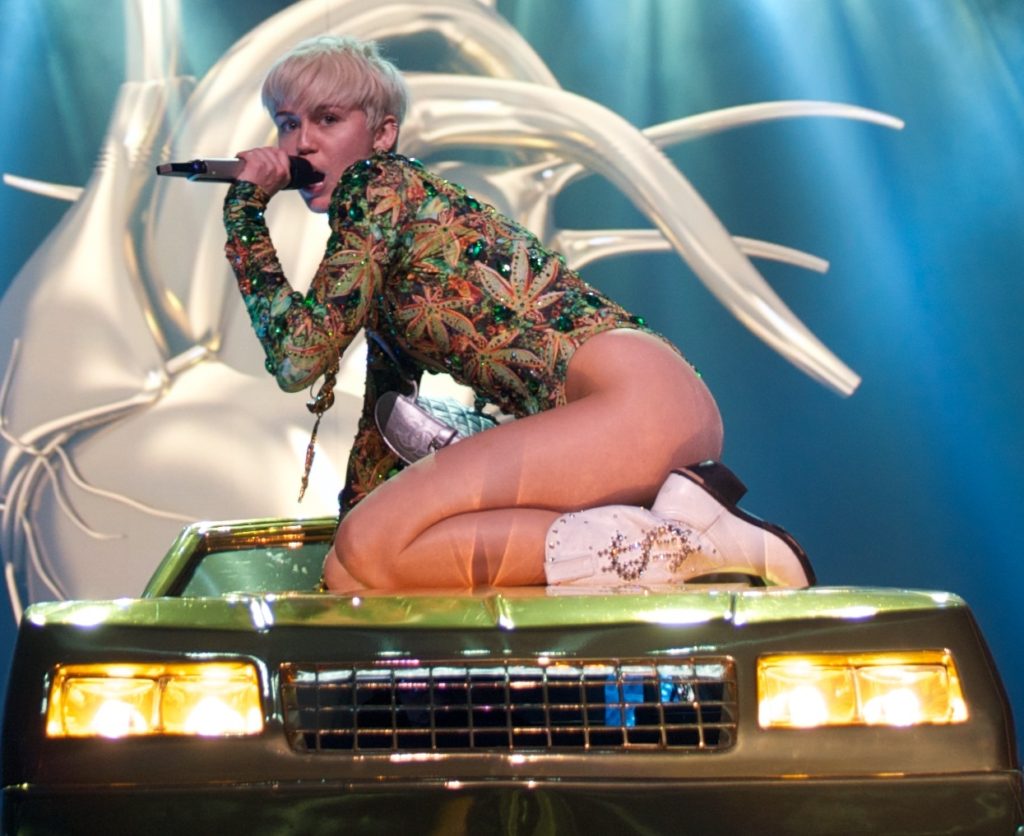
So, out comes the 13 year old in her holiday outfit and we start doing a couple different posed sequences.  Then, to keep the mood light and fun, I said “Let’s do a few silly shots…make some goofy faces and just have a little fun”  Next thing I know this 13-year old is trying to strike this seductive-like pose – hand on hip, chest thrust out, head back and her tongue just waggling out of her mouth.  I stopped the shoot and asked the parents to step in.

They were all laughing and I said that this wasn’t really all that funny – we all know what that kinda pose means, right?  Is it funny for a 13y.o. to be suggesting she is into…uh…that?  I think it started with Miley Cyrus when she got all slutty, and it went viral from there…and I didn’t want to produce photos of that nature.  The parents looked at me rather shocked for a second, and said they were done and packed up to leave.  I got paid the sitting fee for the session, but suffice to say, no prints were ordered or were any provided.  They’ve also not been very reachable socially since.  I’ve offended them on some level…by not letting their kids pose like this:

Think Negative – not Positive

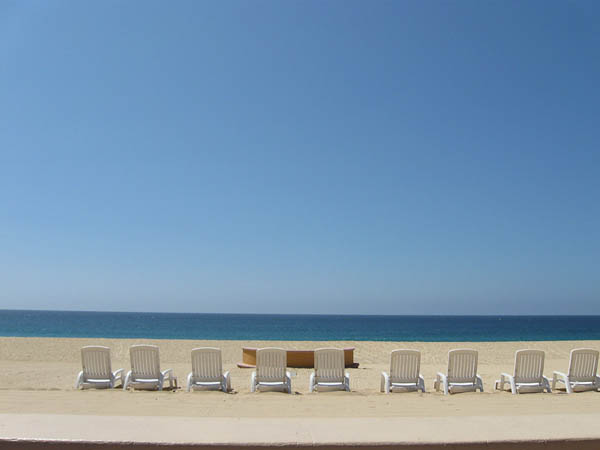
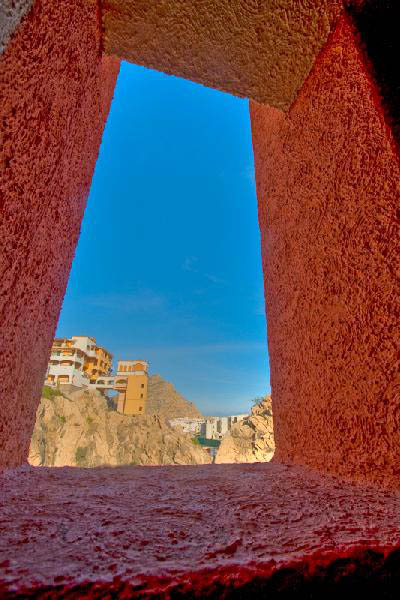
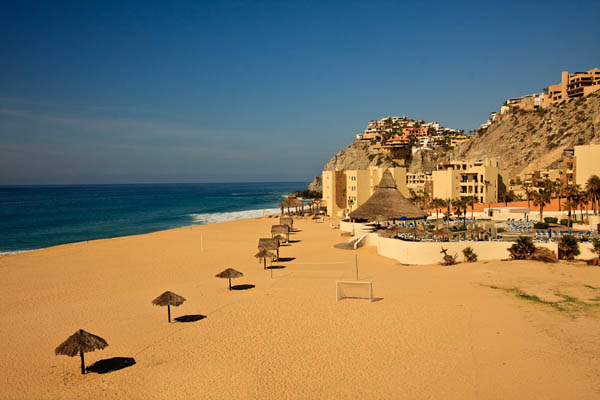
Sounds odd doesn’t it?  Yet believe it or not, the use of something called negative space can be very powerful in photography.  But what is negative space?  The term is kind of hard to describe in words, but the best way I can think of to describe negative space is the space that has nothing, or the lack of a subject or point of focus.  Things like skies are good examples of negative space.  It can bring a sense of scale in ways that are otherwise very difficult to attain.  I’ve shared a few shots of this here on the blog recently as kind of a “latest and greatest” theme from various trips, but they also serve as good examples of negative space.  Take a look at these shots again and think of them in terms of the negative space, and how it enhances composition:

Negative Space 1
Negative Space 1

Negative Space 2
Negative Space 2

Negative Space 3
Negative Space 3

See how empty or negative space can actually work to your advantage?  Like the examples show, skies work well in this regard, but you could use any negative space to better accent a photo or design.

Anyway, that’s the photo tip and post for today.  Anyone have any thoughts on the use of negative space?  Got examples you can share?  Feel free to sound off with your thoughts, tips, ideas, suggestions in the comments.

Don’t forget, there’s also the monthly giveaway going on over in the Flickr forums – you can win a free copy of PictureCode’s Noise Ninja – just submit up to 3 photos before the deadline!

Happy shooting and we’ll see you back here again tomorrow!

Grab the Feed
Follow Me on Twitter

Eight Ways to Awesome Photos

One of the worst moments in photography is when you get things back on the computer from a shoot to see that dreaded blur!  If only you had been able to stabilize the camera more.  I can’t tell you how many times I’ve been confidant enough in my own abilities to think “I can hand hold that shot”.

Blurry Shot

The truth of the matter is, most of us can’t!  So, avoid the blur whenever possible When trying to capture images where light is low, a sense of movement is desired, or any other scenario where shutter speeds drop perilously low, getting that camera stable is critical!  Here are eight ways to make that happen:

1.  Use a Tripod – Shots taken with tripods are inherently more stable than their handheld counterparts.  Nothing stabilizes things like an inanimate object!

2.  Use a Monopod – With the tripod police out in force more and more, they are being allowed less and less in a number of areas.  If a tripod isn’t permitted, a monopod may be an alternative worth considering.

3.  Use Your Surroundings – Okay, so the tripod wasn’t allowed, the monopod you forgot, but there’s still a chance to catch that shot.  The answer lies in using your surroundings.  Brace the camera against a tree, a fencepost, a car, or whatever is available.  They key is to make your camera stationary.

4.  Bump the ISO – As much as I try to avoid increasing ISO, the newer cameras available do a great job of smoothing, and even then, software post production options are also pretty advanced at cleanup afterward.  So, if you have to, go ahead and bump the ISO settings to shoot fast and still retain exposure accuracy.

Fireworks

5. Hold that Camera – I know some shooters who claim to be able to hand hold as slow as 1/30th of a second, and one of their “secrets” is a secure grip on the camera.  Make sure you’re holding your camera right and not flapping your arms out beside you, all fingers around the edges (like a camera phone), and you can get better shots.

6.  Shoot between Breaths – Yup, you can shoot between breaths.  It’s key to remember not to hold your breath, but rather inhale slowly, exhale slowly, and that momentary gap between breaths is a moment when your body rhythms are not moving at all, heartbeat included!

7.  Slide that Finger – No, not that one!  Your shutter finger is what I am talking about.  So many people tend to jab the shutter, but that pushes the camera and can introduce movement.  Make it a slow slide with increasing pressure, almost as if the shutter release is an afterthought.

8.  Watch Your Feet – Standing with your feet together like a ballerina is never a good idea when shooting.  Your center of gravity rises, and you are unstable.  When you are unstable, so is your camera.  The same holds in the opposite extreme, so keep your feet about shoulder width apart when shooting.

Pacific Sunset

If you like these tips, keep in mind, there’s 90 more tips just like these in my eBook Combo Kit where you get both 49 Photo Tips, Volumes I and II, as shown at the top of the homepage.  On sale for a limited time, this combo kit is going for $10, so get it now while the savings are available!

There are, of course, other tools and methods to help make your photos better, but these 8 ways to add stability are just a primer to get you on the right track to making the most of your time behind the lens!  Know of any other ways to help stabilize a shot?  Anything I missed or that particularly speaks to you and your own techniques?  Sound off in the comments or via email!