
I’ve written several times on the blog about cameras, sensor dust, and cleaning your SLR. You can review those here, here, and here (5 Ways to Clean, 5 Times to Clean, and 5 Ways to Avoid Dust). I’ve also elaborated a bit on the various options for cleaning your SLR from the no-contact to the wet and dry methods, but I’ve never really addressed the fundamentals behind camera dust in question. So, when someone asked recently on Quora about the Self-Cleaning Mechanisms in SLR’s, I figured a more complete write-up might help. This was posed on Quora recently, and in the interests of sharing the points I made there to any of the reading audience here, figured it’d be worth inclusion. So, without further ado – here’s the full skinny on SLR’s and self-cleaning:
Self-Cleaning Mechanism
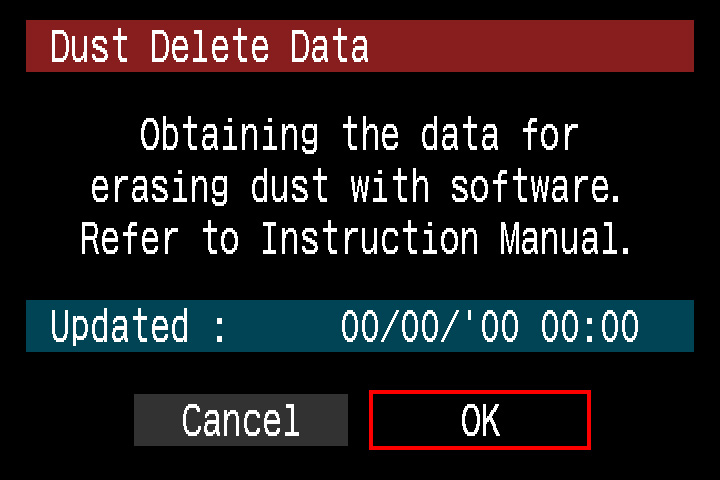
The self-cleaning mechanism of SLR’s has many larger concepts that need to be addressed to fully understand what is happening, but in basic principle, a camera will use the battery to either shake or vibrate the dust off, or, it will negatively charge air particles that will attract the dust off the sensor and let the now airborne dust fall down to the dust trap at the bottom of the sensor. Having said that, there’s a couple additional points to make in this question that can help:
Sensor Cleaning Versus Mirror Cleaning
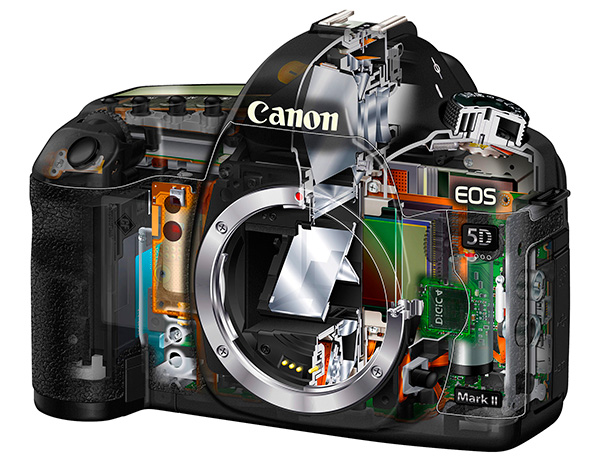
The internal self-cleaning addresses the sensor itself, whereas DIY cleaning methods really are addressing the mirror that reflects an image onto the actual sensor. Unless you want to lock the mirror up (such as on older cameras) and clean the actual sensor, any cleaning efforts you do on newer cameras is really only addressing the mirror. Because of that, the internal sensor cleaning will address the sensor cleaning adequately, but does not address the mirror in the SLR (until of course the dust trap fills up and needs to be emptied by an authorized professional from Canon, Nikon, or other third party). When it comes to cleaning the mirror, you will have to do that yourself.
Is the dust really being removed?
While the self-cleaning function does “remove” dust from the sensor, through either vibration (or shaking), it’s not really removing the dust from the camera. Here is where the larger question of “where does it go” remains unanswered for the most part, and also where the usefulness of the feature sort of falls flat. Inside cameras that have this feature, there is a dust trap at the bottom of the sensor that catches dust when it is shaken off the sensor and/or sensor mirror. Simple laws of physics suggest that eventually this trap will get filled, which means it needs to be emptied, or you need to send a camera in for cleaning.
Preventative Maintenance
While I have personally found that the self-cleaning feature is useful to a degree, the fact that dust is not being removed entirely from the camera detracts from its value, as well as the consideration that difficult or stubborn dust is not removed sort of devalues the benefits in the long term. Instead, incorporate a system when using your camera to avoid introducing dust in the first place, such as some of those mentioned already, including, but not limited to:
1. Keeping the camera pointed down when changing lenses
2. Using a changing bag
3. Turn the camera off before removing a lens
4. Change a lens as quickly as you’re able – the longer the face is open the more chance of additional dust being introduced.
5. Keep your camera clean and try to change lenses in less dusty situations (i.e. not in the middle of a sandstorm)
DIY Mirror Cleaning
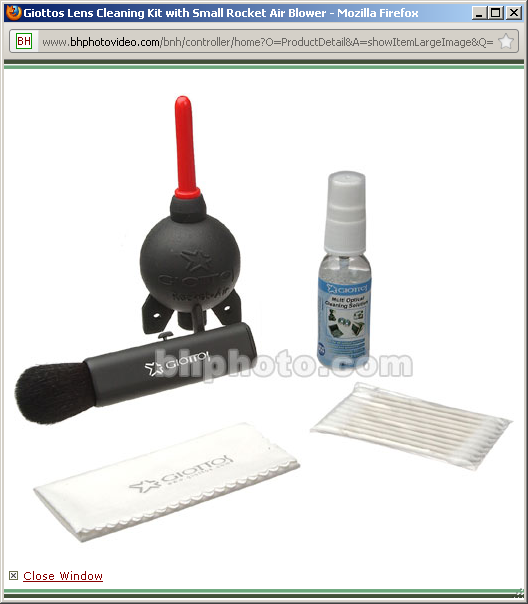
There are several methods of dust removal you can use such as the use of a Rocket Blower (also use with the camera pointed down), mirror wipes, lens pens, and other similar products. These are often categorized as no-contact and contact cleaners. Within the contact cleaners, there are also sub-categories: wet and dry cleaners.
No Contact Cleaners
No contact cleaners (blowers) use a puff of air to dislodge dust from the mirror and when used properly, the dust will fall out of the camera entirely. A great product in this category is the Giottos Rocket Blower.
Contact Cleaners – Wet Versus Dry
Dry cleaners generally refer to the brushes like Lens Pens that act like a paintbrush of sorts that sweeps dust off the mirror. Conversely, the wet cleaners use a pad and a liquid that is swiped across the mirror to swab the dust off with a quick drying agent (usually some form of an alcohol) – the one I’ve used is a combo of Eclipse solution and PecPads. Both of these often come with increased risk of damaging your camera, so I would only recommend these for those comfortable with the mechanics of cameras in general. The dry cleaners are less likely to damage, but still carry some risk, so keep these in mind in your cleaning approaches.