Water and Light

The idea of writing with light is nothing new to photography, the very word itself means to paint with light (from the Greek photo, meaning light, and graphos meaning write), the most successful photographers through time are ones that have incorporated an effective use of light in their work.

While reading through the Sept. issue of Rangefinder, I found myself re-visiting the subject yet again, and with artists who I’ve seen and admired before, including Clark Little and Eric Curry (you may have seen Eric’s work featured over on David Hobby’s Strobist site periodically…brilliant lighting setups!).  The whole idea gave me a moment of pause – how much of my own work has been cognizant of the power of light? (It was a very Joe McNally/National Geographic type of moment if such a moment could be attained by an aspiring one rather than successful ones like those mentioned above.)

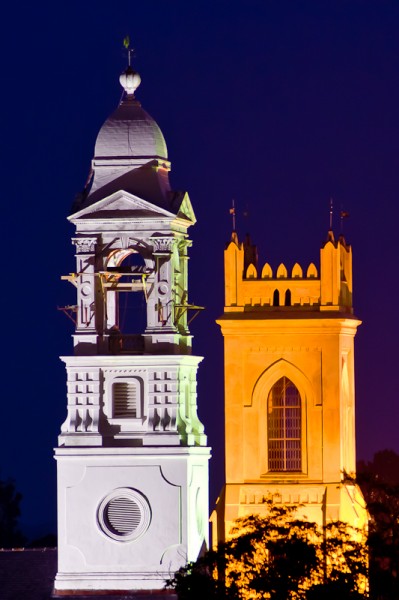
Nevertheless, taking cue from their inspiration, I perused my own portfolio for the theme of light.  It was actually quite extensive, so much so that another theme had to be incorporated to pare things down further.  Since Clark Little’s work has always been a source of inspiration and envy, I decided to go with a water pairing.  How have I managed to capture both water and light effectively?  The exercise was a good one, and looking at your archives with a new vision or perspective has always been one I encourage.  So, without further ado, here’s my take on combining the themes of water and light:

As inspiring as it was for me, take this cue as a source of inspiration for yourselves…pick a theme (or two), and peruse your archives (or go shoot with the theme in mind), and see where your creativity will take you.  Got ideas for creativity along these lines?  Share ’em in the comments too, as ideas for inspiration are all around us.  Check out what everyone says in the comments section below!

Happy shooting all, and we’ll see you back here again tomorrow!
Encouraging the Slide…

I’ve had this podcast done for a while and for some reason completely forgot to post it to the feed with all that’s been going on.  My apologies to Andie Smith as she was the guest for the show (I’m sure she has been wondering what the heck happened!).  Granted, the news items are somewhat dated and not as current as I’d like, but I digress…  In any case, without further ado, here’s the show notes: Continue reading “Encouraging the Slide…”

Five Ways to Deal with Harsh/Low Lighting

A common question I get here is how to deal with harsh or low light situations.  This is a great question, and for event photographers, it’s simply part of the job to recognize various lighting conditions and address them accordingly.  Today, I’d like to share  Five Ways to Deal with Harsh/Low Lighting:

1.  Cranking the ISO and hoping to fix in post

With advancements in technology, noise handling both in camera and in post production has resulted in some astonishing results that in previous years would have been literally unrecoverable.  While we should always endeavor to make our images shine as best we can in camera – advancements in tools of the trade simply give us more options and we would be foolish not to use them.

Here’s a good example of a shot that was done at a high in-camera ISO setting, that was recoverable to a good quality image.  It may not necessarily be of “stock photography” caliber (you really need every pixel to be perfect for stock photography), but for event photography, I would consider this acceptable quality.

Removing Noise

2.  Implementing additional light sources (Flash, video lights, etc.)

Adding light

3.  Using a tripod/monopod in conjunction with longer exposures to increase odds of sharp captures

Long Shutter Speed

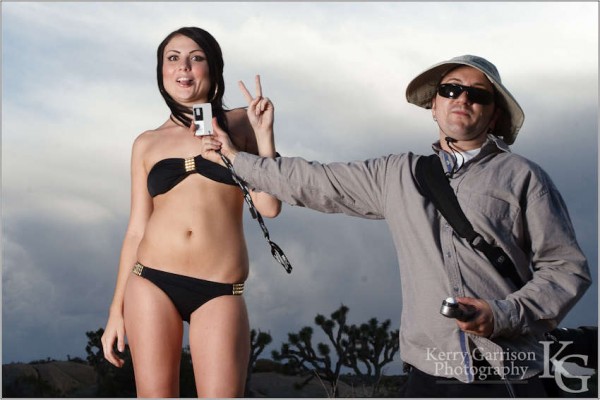
4.  Use a gray card to get good white balance/off-set the ambient lighting conditions.

Having your subject hold a color balance card (or even just a gray card) in the scene for one shot is a great way to counter-act the effect of difficult lighting, including everything from halogen lights, to fluorescent, tungsten-florescent mixes, and the garish hue from sodium vapor lights common in locales like stadiums and street light settings.

http://www.drycreekphoto.com/images/Charts/MacbethCC-sRGB.jpg
Gretag Macbeth Color Wheel
Sample Graycard Shot

5.  Use supports from the surroundings to brace your camera

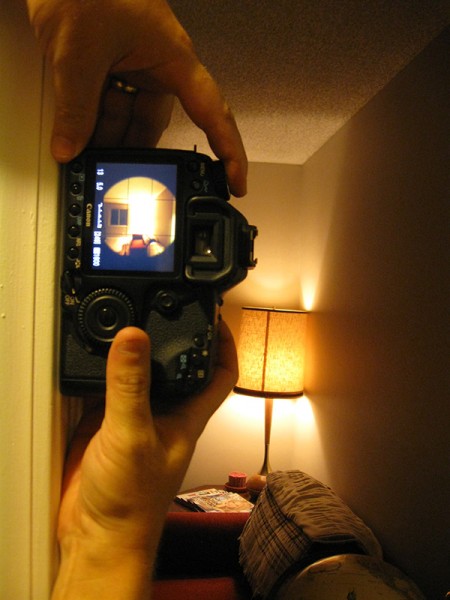
Using a tree, a wall, or even the ground to help stabilize your camera can reduce the shutter speed considerably to help when shooting in low light situations.

Use a wall for support

As much as we may try to hand hold our cameras, blur is unavoidable due to our heartbeats, finger tremors, breathing, and a host of biological factors, the best we can do is help to minimize that blur by using supporting mechanisms and techniques to get as stable a shot as we can.  Even when we can hand-hold, matching that color from the scene is much easier to do when you start from a known vantage point, whether it be your own flash, or a controlled ambient scene.  So much to think about and so little time…where do you want to go from here?

Hint:  Sound off in the comments – would love to hear others thoughts, tips, and tricks for dealing with low and/or harsh lighting! Special thanks to Kerry Garrison of Kerry Garrison Photography for sharing a sample image from his own portfolio when I couldn’t track my own down in the library (bad me for not keywording fully!)…

kL2HNZVO